
Hair removal is a regular part of grooming for many people, yet the method chosen often depends on convenience rather than skin health. Shaving and waxing are the two most commonly used techniques, but they work very differently on the skin. Many clients switch between the two without understanding how each method affects hair growth, skin texture, and long-term comfort.
At a professional waxing salon, hair removal is treated as a skin-care process rather than a quick fix. At a trusted waxing salon in Dehradun, therapists help clients choose methods that protect skin health while delivering smoother, longer-lasting results.
How Shaving Affects the Skin Over Time
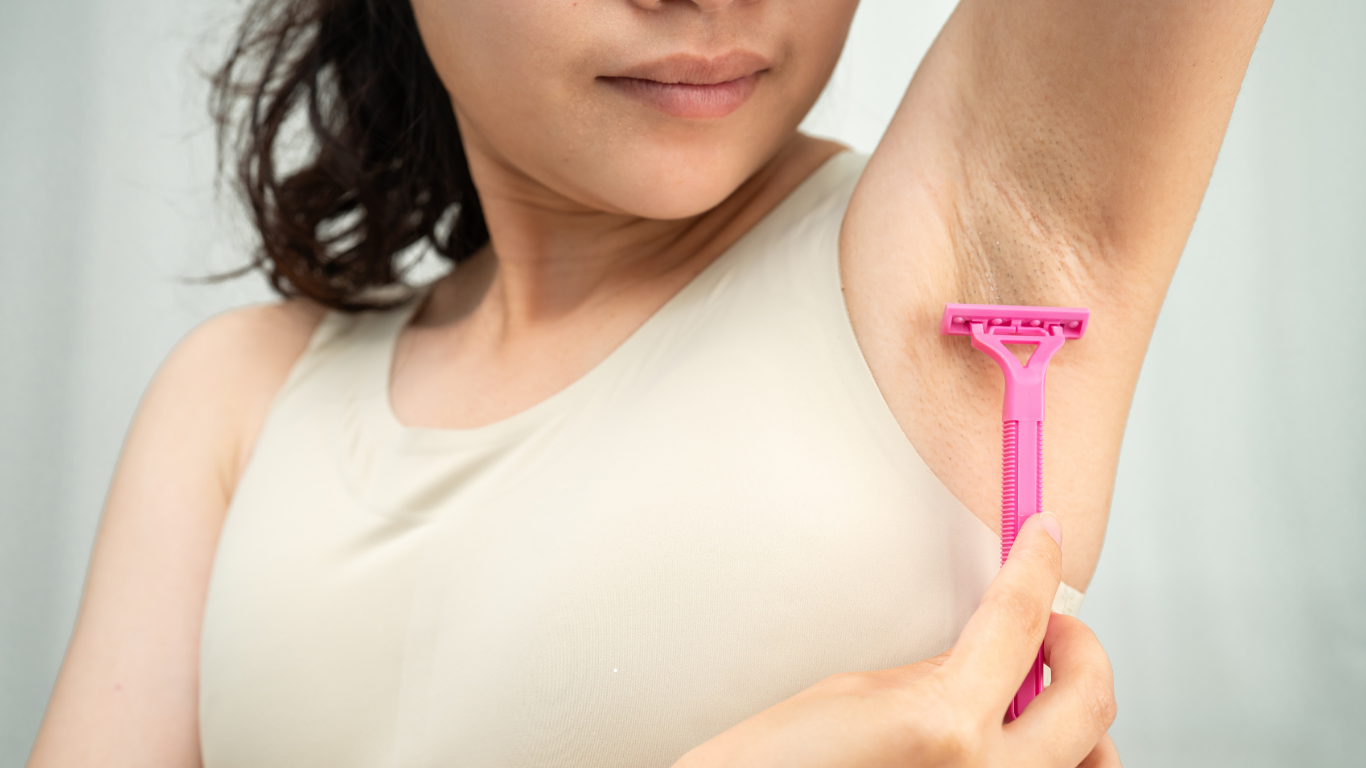
Shaving removes hair only from the surface of the skin. While it is quick and painless, repeated shaving can irritate the skin barrier. Razor friction often leads to dryness, razor bumps, ingrown hairs, and uneven skin texture. Over time, frequent shaving can make hair feel coarser and cause recurring irritation, especially on sensitive areas.
At YT Studio – Unisex Salon, therapists often see clients who experience redness or roughness due to long-term shaving habits. These issues are common because shaving does not remove hair from the root, allowing rapid regrowth that stresses the skin repeatedly.
Clients who explore professional hair removal through the homepage often look for solutions beyond short-term convenience.
Why Waxing Provides Longer-Lasting Smoothness
Waxing removes hair from the root, which significantly slows down regrowth. This results in smoother skin that lasts much longer compared to shaving. Over time, hair grows back finer and softer when waxing is done regularly.
At a professional waxing salon, waxing is performed using techniques that minimize discomfort and protect the skin. Therapists ensure proper temperature, application, and removal to avoid unnecessary irritation.
Clients booking services through the salon services often notice that skin stays smooth for weeks rather than days.
The Impact of Waxing on Skin Texture
One of the biggest advantages of waxing is improved skin texture. Because waxing removes dead skin cells along with hair, it acts as a mild exfoliation. This leaves the skin feeling smoother and looking more even.
At a trusted waxing salon in Dehradun, therapists prepare the skin properly before waxing to reduce sensitivity. Post-wax care further calms the skin and prevents redness.
Clients who also use salon services often find that waxing complements their skin care routine by improving absorption of treatments.
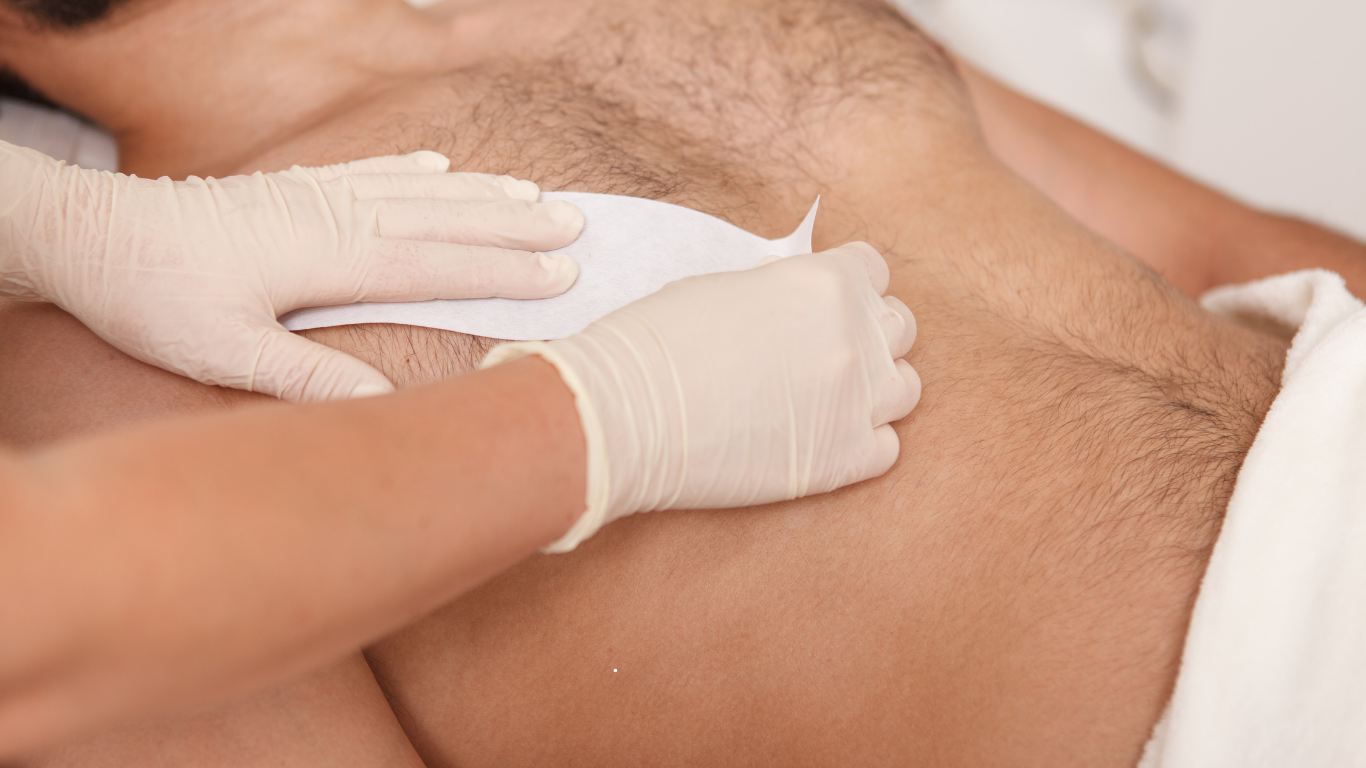
Ingrown Hair and Irritation: Waxing vs Shaving
Ingrown hairs are more common with shaving due to blunt hair regrowth and clogged follicles. Waxing, when done professionally, reduces the likelihood of ingrown hairs because hair grows back finer and with a tapered edge.
At a professional unisex salon, waxing techniques are adjusted based on skin sensitivity and hair type. This personalized approach helps minimize irritation and promotes healthier regrowth.
Clients who have struggled with ingrown hairs often find significant relief after switching to professional waxing.
Why Professional Waxing Is Safer Than DIY Methods
Home waxing kits and DIY methods often lack proper temperature control and technique. This increases the risk of burns, uneven hair removal, and skin damage. Professional waxing salons follow hygiene protocols and use products suitable for different skin types.
At YT Studio – Unisex Salon, waxing services are performed by trained professionals who understand skin behavior. This reduces the risk of reactions and ensures a more comfortable experience.
Clients who book waxing through the salon services benefit from safe, hygienic, and consistent results.
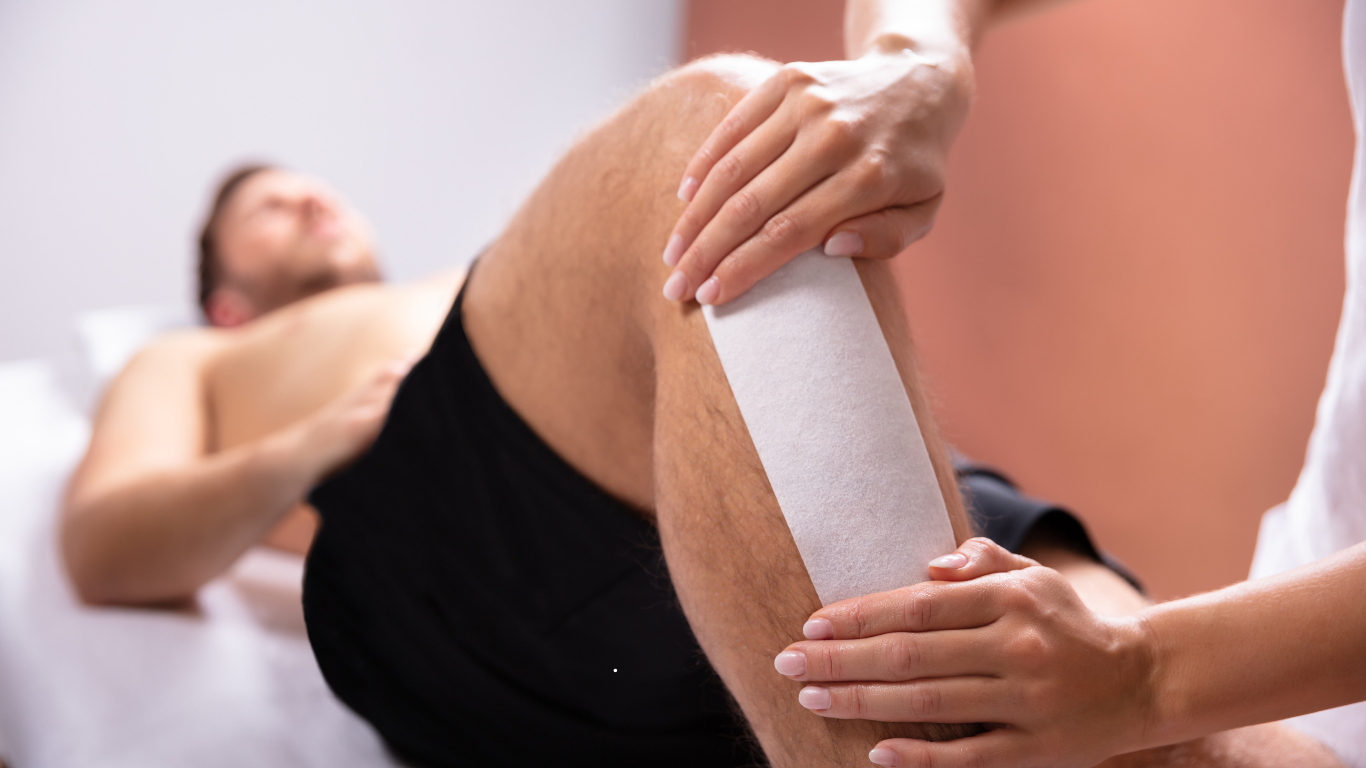
Skin Sensitivity and Choosing the Right Hair Removal Method
Sensitive skin requires careful hair removal choices. Shaving sensitive areas repeatedly can worsen redness and irritation. Professional waxing salons assess skin condition before proceeding, ensuring the method suits the client’s needs.
At a professional waxing salon in Dehradun, therapists recommend waxing frequency and techniques based on skin response. This prevents over-treatment and helps maintain skin health.
Clients who also book salon services appreciate this thoughtful, skin-first approach.
Long-Term Skin Health and Hair Growth Patterns
Hair removal methods influence how hair grows back over time. Shaving often leads to frequent maintenance, while waxing encourages slower, finer regrowth. This makes waxing more suitable for long-term grooming routines.
At YT Studio – Unisex Salon, clients who commit to regular waxing often notice reduced hair density and improved skin comfort. This long-term benefit makes waxing a preferred option for many.

Final Thoughts
Waxing and shaving may both remove hair, but their impact on skin health is very different. Shaving offers convenience, while waxing delivers longer-lasting smoothness and healthier skin over time.
If you’re unsure which method suits your skin, professional guidance can help you decide confidently. Visit the homepage of YT Studio – Unisex Salon or explore expert options on the salon services to choose hair removal that works with your skin, not against it.
FAQs
1. Is waxing better for skin health than shaving?
Yes. Waxing removes hair from the root, which reduces irritation, slows regrowth, and improves skin texture over time compared to shaving.
2. Does shaving make hair grow back thicker?
Shaving does not change hair thickness, but it cuts hair bluntly at the surface, making regrowth feel coarser and rougher.
3. How long does waxing keep skin smooth?
Professional waxing typically keeps skin smooth for 3–4 weeks, whereas shaving usually requires maintenance every few days.
4. Can waxing help reduce ingrown hairs?
Yes. When done professionally, waxing reduces ingrown hairs because hair grows back finer and with a natural tapered edge.
5. Is waxing safe for sensitive skin?
Absolutely, when done at a professional waxing salon. Therapists assess skin type and use appropriate techniques to minimize irritation.
6. Why should I avoid home waxing kits?
DIY waxing kits often lack proper temperature control and technique, increasing the risk of burns, skin damage, and uneven hair removal.
7. How often should I get waxed for best results?
Most professionals recommend waxing every 3–5 weeks, depending on hair growth and skin sensitivity, to maintain smooth and healthy skin.