
Waxing delivers smoother, longer-lasting results than most hair removal methods, but the final outcome depends heavily on how the skin is treated before and after the session. Many people blame waxing itself for redness, bumps, or irritation, when in reality these issues often occur due to improper care around the service. Understanding pre and post waxing care can dramatically improve comfort, results, and skin health.
At a professional waxing salon, therapists don’t just remove hair, they guide clients on how to prepare the skin and how to care for it afterward. At a trusted waxing salon in Dehradun, this guidance is considered an essential part of the service, not an afterthought.
Why Skin Preparation Matters Before Waxing
Skin preparation plays a major role in how smoothly waxing is performed. Skin that is excessively dry, oily, or irritated can make waxing uncomfortable and increase the chances of redness or breakage. When the skin is properly prepared, hair removal becomes cleaner and less stressful for the skin.
At YT Studio – Unisex Salon, therapists assess skin condition before starting any waxing service. They ensure the skin is clean and suitable for waxing, which reduces discomfort and improves results. Clients who book through the homepage often appreciate this attention to detail, especially during sensitive-area waxing.
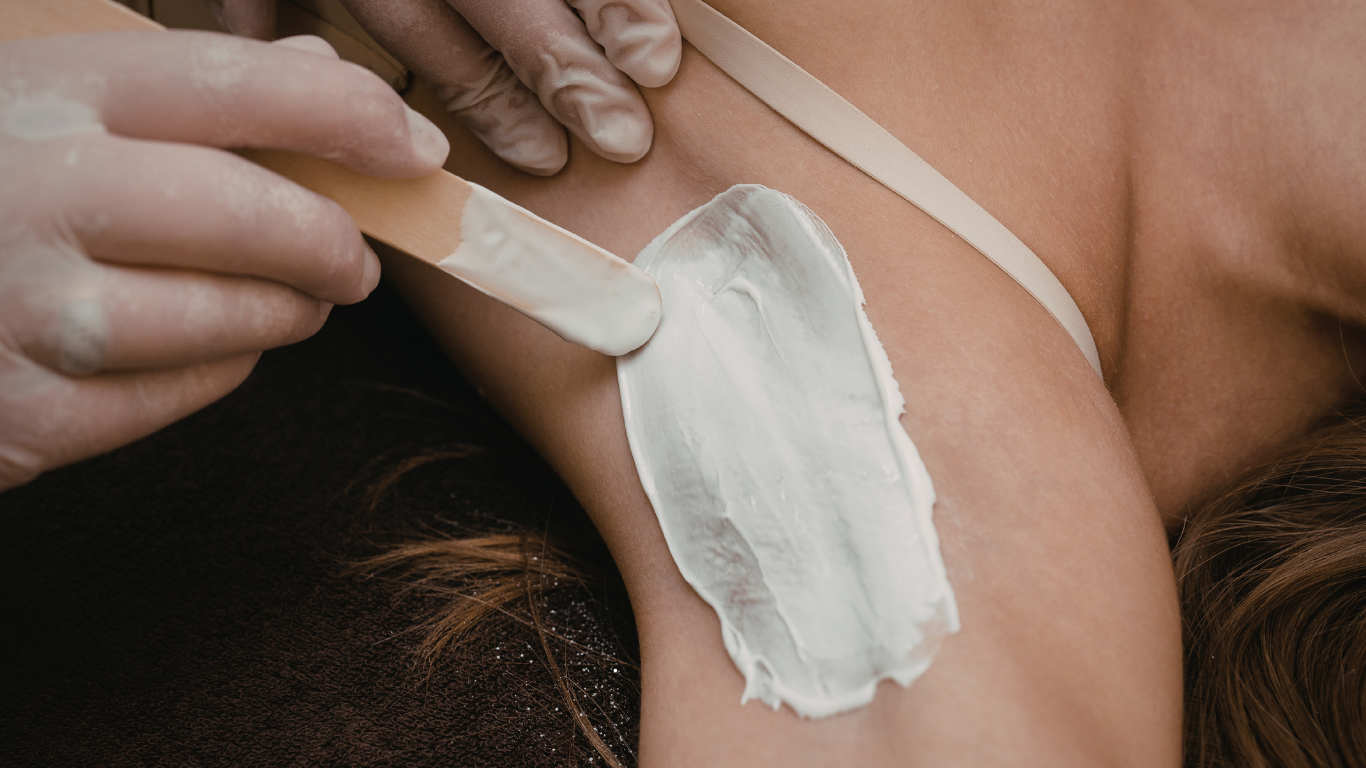
How Professional Waxing Reduces Discomfort
One of the biggest differences between professional waxing and home waxing is technique. Proper application and removal minimize trauma to the skin. When wax is applied and removed correctly, hair is removed efficiently without pulling at the skin unnecessarily.
At a professional waxing salon, trained therapists control wax temperature and timing carefully. This prevents burns, uneven hair removal, and unnecessary irritation. Clients who switch from DIY waxing often notice a significant reduction in pain and redness.
Booking professional waxing through the salon services ensures the process is handled safely and comfortably.
The Importance of Post-Waxing Skin Care
After waxing, the skin is temporarily more sensitive. Hair follicles are open, and the skin needs time to calm and recover. Ignoring post-wax care can lead to redness, bumps, or ingrown hairs.
At a trusted waxing salon in Dehradun, therapists provide guidance to soothe the skin after waxing. Professional post-care helps restore the skin barrier and reduces inflammation. Clients who follow these recommendations experience smoother skin and fewer reactions.
Those who also use salon services often notice even better recovery due to improved overall skin health.

Preventing Redness and Ingrown Hairs After Waxing
Redness and ingrown hairs are common concerns after waxing, but they are not inevitable. These issues usually arise when skin is irritated, clogged, or not allowed to heal properly. Professional waxing minimizes these risks by ensuring hair is removed from the root cleanly.
At YT Studio – Unisex Salon, therapists focus on post-wax skin comfort and long-term results. Clients who maintain regular waxing schedules often experience fewer ingrown hairs because hair regrows finer and more evenly.
This professional approach makes waxing more skin-friendly over time.
Why Timing Matters for Waxing Appointments
Waxing should be planned thoughtfully, especially before events. Skin needs time to settle after waxing, particularly for sensitive areas. Rushing into makeup application or sun exposure immediately after waxing can irritate the skin.
At a professional unisex salon, therapists help clients plan waxing appointments at the right time. This ensures skin looks calm and smooth when it matters most.
Clients who coordinate waxing with salon services often benefit from better overall results by spacing treatments correctly.
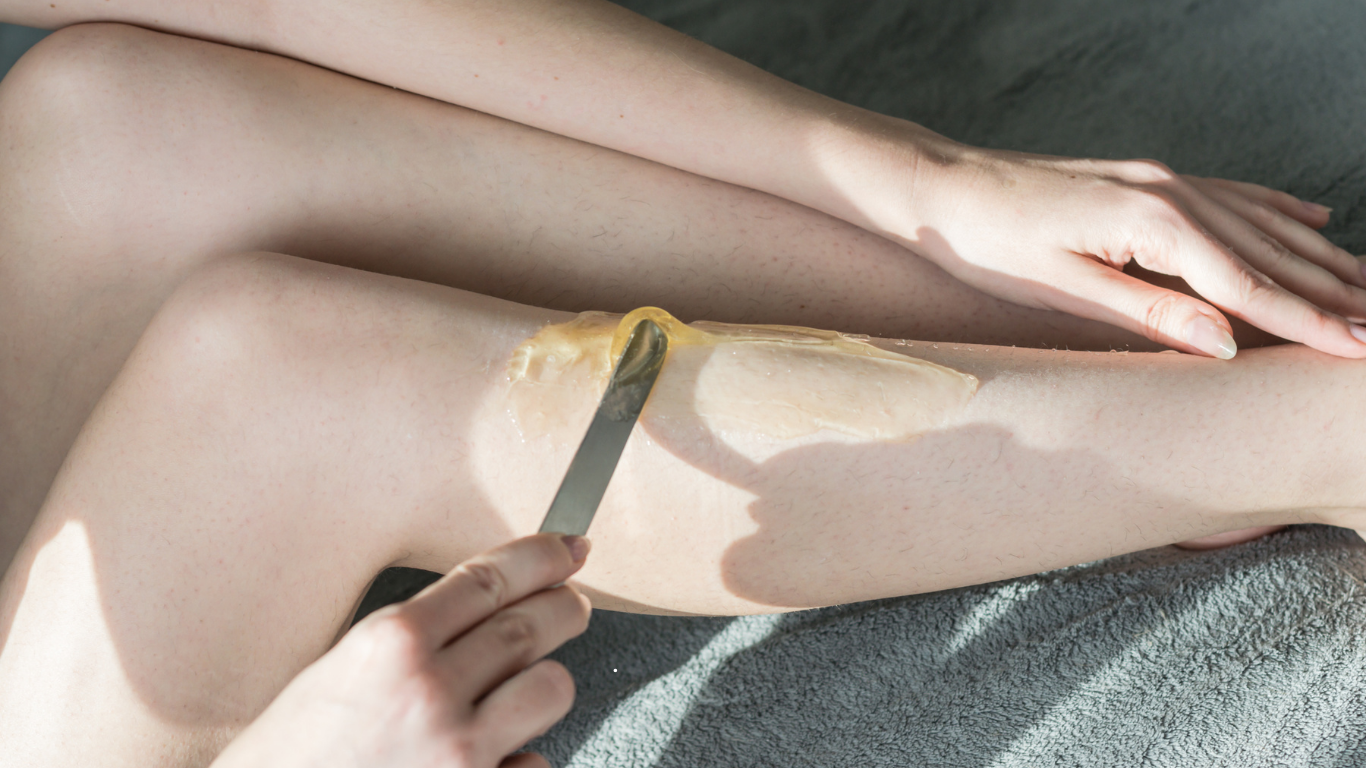
How Professional Waxing Supports Long-Term Skin Health
Waxing is not just about removing hair, it influences how skin behaves over time. When done professionally and consistently, waxing encourages smoother regrowth and improves skin texture.
At a professional waxing salon, treatments are adjusted based on skin response. This personalization helps maintain skin comfort and reduces recurring irritation.
Clients who commit to professional waxing routines through the salon services often find that skin becomes more tolerant and balanced over time.
Common Mistakes That Affect Waxing Results
One common mistake is treating waxing as an isolated service rather than part of a skincare routine. Using harsh products, skipping recovery time, or switching hair removal methods frequently can disrupt skin balance.
At YT Studio – Unisex Salon, therapists educate clients on maintaining consistency. This helps avoid setbacks and ensures waxing remains a positive experience.
Clients who follow professional advice usually see steady improvement rather than recurring issues.
Final Thoughts
Waxing can deliver excellent results when paired with proper skin care before and after the session. Professional waxing salons provide not just hair removal, but guidance that protects skin health and comfort.
If you want smoother skin without irritation, professional support makes a real difference. Visit YT Studio – Unisex Salon or explore expert options on the salon services to experience waxing that prioritizes both results and skin health.
FAQs
1. Why is pre-waxing care important for skin health?
Pre-waxing care prepares the skin by reducing dryness, oil buildup, and sensitivity. Proper preparation helps hair remove cleanly from the root and minimizes irritation, redness, and discomfort during waxing.
2. What should I avoid before a waxing session?
Avoid exfoliating aggressively, using active skincare products, or tanning just before waxing. These can increase skin sensitivity and raise the risk of irritation or redness.
3. How long does skin take to recover after waxing?
Most skin settles within 24–48 hours after waxing. Sensitive areas may take slightly longer, which is why post-wax care and proper timing before events are important.
4. What is the best post-waxing care to prevent redness?
Keeping the skin clean, calm, and well-hydrated helps reduce redness. Avoid heat, friction, and harsh products immediately after waxing to allow the skin to heal properly.
5. How can I prevent ingrown hairs after waxing?
Ingrown hairs can be reduced by following professional post-wax care advice and maintaining regular waxing schedules. As hair regrows finer, the risk of ingrowns decreases over time.
6. Is professional waxing safer than home waxing?
Yes. Professional waxing salons use proper techniques, temperature-controlled wax, and skin-specific products, reducing the risk of burns, uneven hair removal, and irritation.
7. How often should waxing be done for best results?
Waxing is generally recommended every 3–5 weeks, depending on hair growth and skin type. Consistency helps maintain smoother skin and improves long-term comfort.