
Choosing a skin treatment without understanding your skin type is one of the most common reasons people feel disappointed with salon results. Many clients assume that dryness, oiliness, or breakouts automatically define their skin type, but skin behavior is often more complex than it appears. This is why professional assessment at a skin salon plays such an important role in effective skin care.
At a trusted skin salon in Dehradun, skin treatments are never recommended blindly. Skin type identification is the foundation on which every facial, cleanup, or advanced treatment is built. When this step is done correctly, treatments become more effective, comfortable, and long-lasting.
Why Skin Type Matters More Than Skin Problems
Skin problems like acne, tanning, dullness, or sensitivity are often temporary conditions. Skin type, however, is the underlying structure that determines how your skin reacts to products, weather, stress, and treatments. Treating problems without understanding skin type can worsen the condition instead of improving it.
At YT Studio – Unisex Salon, skin experts first focus on identifying whether the skin is oily, dry, combination, sensitive, or balanced. This ensures treatments support the skin rather than overload it. Clients who explore services through the homepage often realize that correct diagnosis is more valuable than expensive products.
How Daily Skin Behavior Reveals Your Skin Type
Skin type is reflected in how your skin behaves throughout the day. Some skin types produce excess oil quickly, while others feel tight or flaky after cleansing. Some skin reacts instantly to new products, while others remain stable.
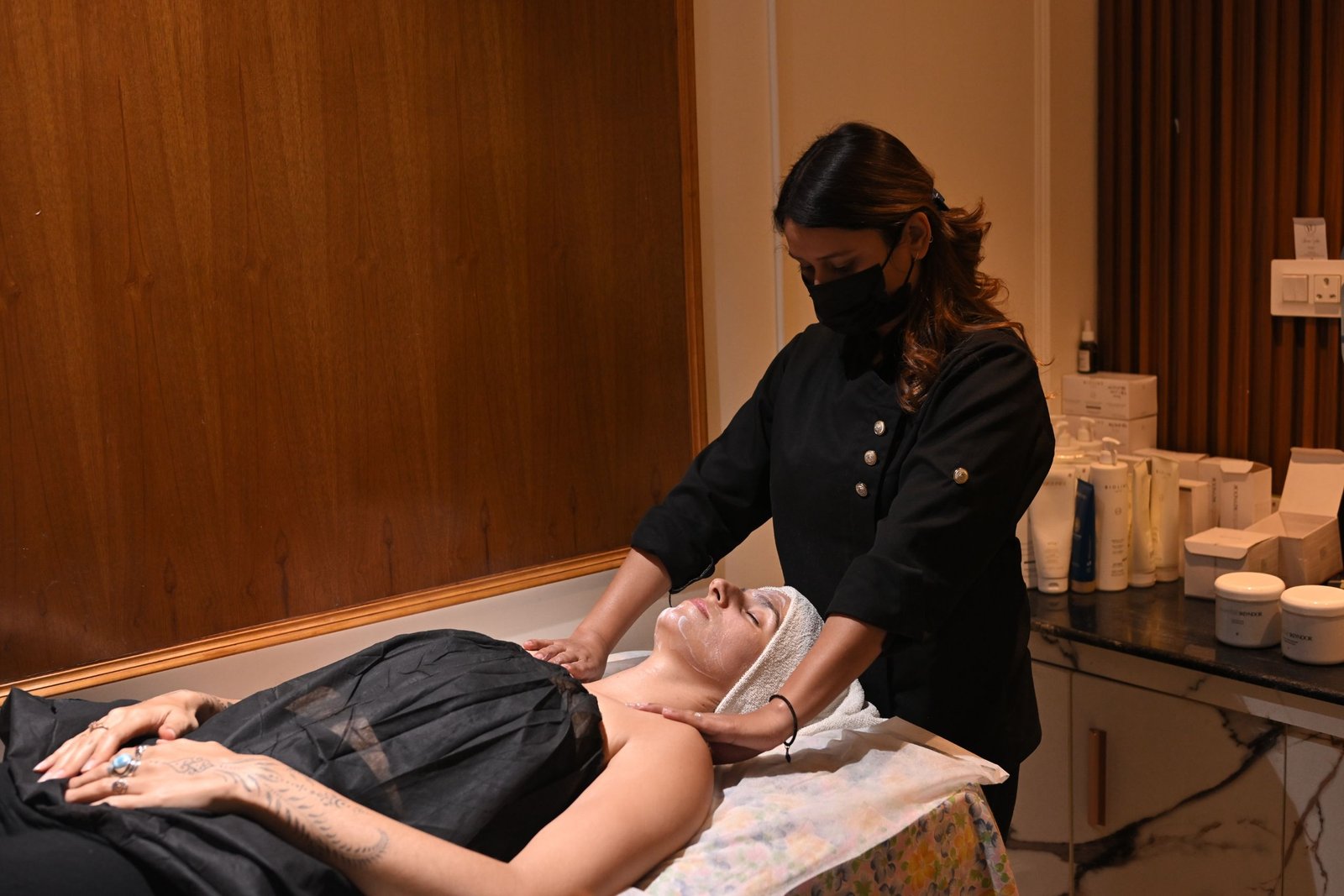
At a professional skin salon, therapists observe how your skin responds to cleansing, hydration, and touch. This real-time assessment provides more accurate insights than online quizzes or assumptions. This is one of the reasons professional consultations deliver better long-term results.
Clients who also use salon services notice that makeup performs better when skin type is correctly understood.

The Difference Between Dehydrated Skin and Dry Skin
One of the most common misunderstandings is confusing dry skin with dehydrated skin. Dry skin lacks oil, while dehydrated skin lacks water. Treating dehydrated skin with heavy products meant for dry skin often leads to breakouts and dullness.
At a professional skin salon, this distinction is carefully identified before recommending any facial or treatment. Correct diagnosis ensures hydration is restored without clogging pores or disrupting skin balance.
This is why salon-based skin analysis often corrects mistakes made through home skincare routines.
Why Oily Skin Still Needs Professional Care
Many people with oily skin avoid skin treatments, assuming they will make the condition worse. In reality, oily skin requires balanced care to regulate oil production rather than strip it completely.
At a trusted skin salon in Dehradun, treatments for oily skin focus on cleansing, calming, and restoring balance. When done professionally, skin becomes clearer and less reactive over time.
Clients who also book salon services often add skin treatments once they see visible improvement in texture and clarity.

How Combination Skin Requires Customized Treatment
Combination skin behaves differently in different areas of the face. Treating the entire face the same way often leads to uneven results. Some areas may become oily while others remain dry or sensitive.
At YT Studio – Unisex Salon, skin treatments for combination skin are customized zone-wise. This personalized approach ensures each part of the face receives what it needs without imbalance.
This level of customization is difficult to achieve with home care alone, making professional guidance essential.
The Role of Sensitivity in Skin Type Identification
Sensitive skin is not always a skin type; sometimes it is a condition caused by overuse of products or environmental exposure. Professional skin therapists identify whether sensitivity is permanent or temporary before recommending treatments.
At a professional unisex salon, this evaluation prevents reactions and discomfort during treatments. Clients who previously experienced irritation often find relief once sensitivity is properly understood.
This careful approach builds trust and improves treatment outcomes.
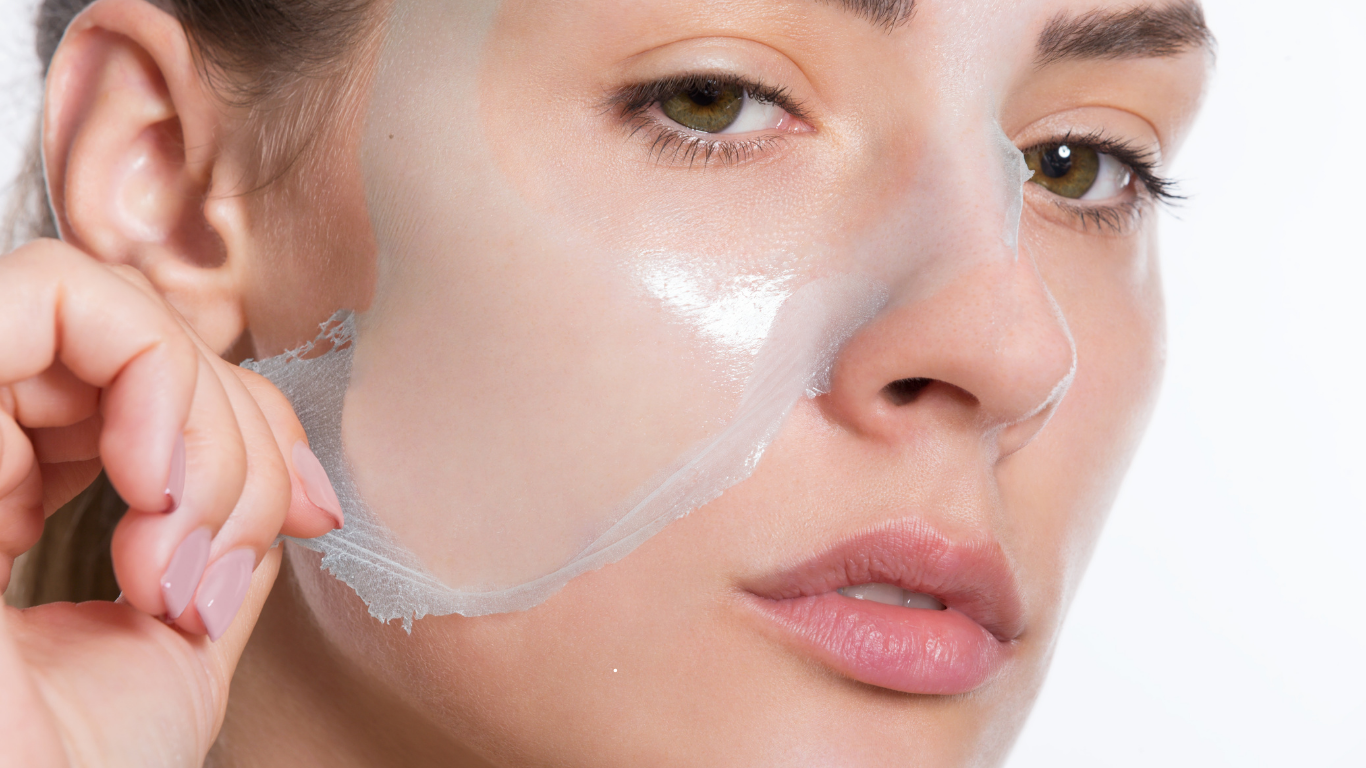
Why Professional Skin Analysis Is More Accurate Than Self-Diagnosis
Self-diagnosis often relies on appearance alone, which can be misleading. Professional skin analysis considers texture, elasticity, moisture levels, and reaction patterns. This deeper understanding leads to better treatment planning.
At a professional skin salon, this analysis ensures treatments improve skin health rather than temporarily masking issues. Clients who maintain regular visits notice gradual, consistent improvement rather than sudden fluctuations.
Booking consultations through the salon service allows for guided, result-oriented skin care.
How Knowing Your Skin Type Improves Treatment Results
Once skin type is clearly identified, treatments become more effective and predictable. Products absorb better, reactions reduce, and results last longer. This also allows skin therapists to adjust treatments seasonally.
At YT Studio – Unisex Salon, skin care plans evolve based on skin behavior over time. This long-term approach helps clients maintain healthy skin instead of chasing quick fixes.
Clients who combine salon services with regular grooming routines experience better overall appearance and confidence.

Final Thoughts
Effective skin care begins with knowing your skin type, not following trends or generic advice. Professional skin analysis ensures treatments work with your skin rather than against it.
If you’re unsure about your skin type or past treatments haven’t delivered results, professional guidance can make all the difference. Visit the homepage of YT Studio – Unisex Salon or explore expert options on the salon services to start your skin care journey with clarity and confidence.
Frequently Asked Questions
1. Why is knowing your skin type important before a skin treatment?
Knowing your skin type helps ensure that treatments work with your skin rather than against it. Without proper identification, treatments may cause irritation, breakouts, or uneven results.
2. Is skin type different from skin problems like acne or tanning?
Yes. Skin problems are often temporary conditions, while skin type is permanent. Treating skin problems without understanding skin type can worsen the issue.
3. Can I identify my skin type at home accurately?
Home assessments are often inaccurate because they rely only on appearance. Professional skin analysis considers texture, hydration, sensitivity, and skin behavior throughout the day.
4. What is the difference between dry skin and dehydrated skin?
Dry skin lacks oil, while dehydrated skin lacks water. Treating dehydrated skin with heavy products meant for dry skin can lead to clogged pores and dullness.
5. Does oily skin really need professional skin treatments?
Yes. Oily skin requires balanced care, not harsh stripping. Professional treatments help regulate oil production and improve skin clarity over time.
6. How is combination skin treated at a professional skin salon?
Combination skin is treated zone-wise. Different areas of the face receive customized care to prevent dryness in some areas and excess oil in others.
7. Why is professional skin analysis more effective than self-diagnosis?
Professional analysis evaluates moisture levels, elasticity, sensitivity, and reaction patterns. This ensures treatments improve long-term skin health instead of offering short-term fixes.